WebSafe 3.7web.mit.edu
|
|
🏠
Skip to content ↓

Spotlight: Feb 19, 2026

A new parking-aware navigation system could reduce both frustration and emissions: By minimizing the time spent looking for a parking spot, this technique can save drivers up to 35 minutes — and give them a realistic estimate of total travel time.
Feb 19, 2026

Full story

Research and Education that Matter

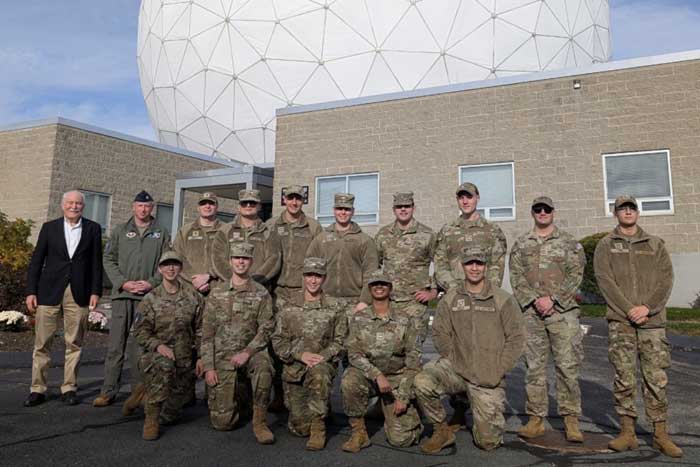
Via @lincoln_laboratory on Instagram: ”Air Force Reserve Officers’ Training Corps (AFROTC) cadets from around New England traveled to Lincoln Laboratory's Lincoln Space Surveillance Complex to learn more about space situational awareness and radar.”

MechE student Kiyoko “Kik” Hayano’s path — from Wyoming to MIT to Arkansas via D-Lab — reflects a common trajectory of U.S. innovation: talent emerging from rural places, developing on the nation’s campuses, and returning know-how to its heartland.

​​In the latest episode of the Curiosity Unbounded podcast, President Sally Kornbluth speaks with MIT Sloan economist Emil Verner about why financial crises happen and what such crises mean for individual financial stability.

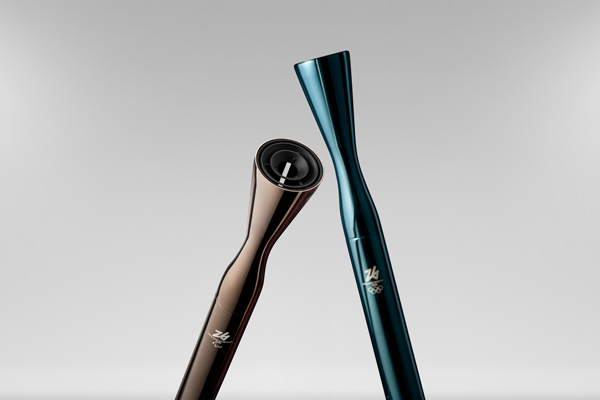
To design the torch for the 2026 Olympics and Paralympics, Carlo Ratti followed the advice he gives his students: “It is about what the object or the design is to convey,” he says. “How it can touch people, how it can relate to people, how it can transmit emotions.”

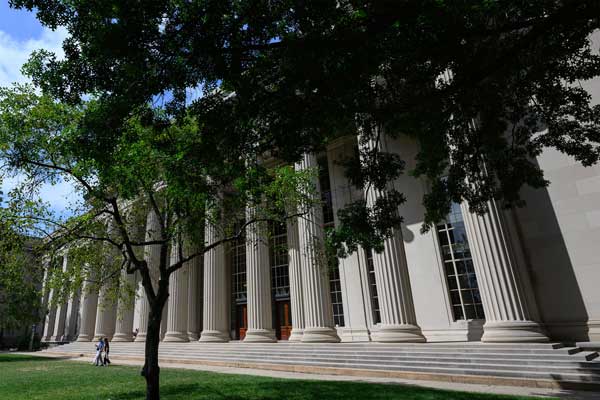
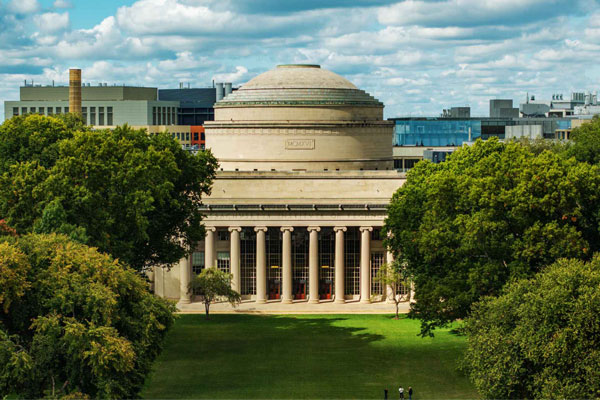
In a world without MIT, radar wouldn’t have been available to help win World War II. We might not have email, CT scans, time-release drugs, photolithography, or GPS. And we’d lose over 30,000 companies, employing millions of people. Can you imagine?

​Since its founding, MIT has been key to helping American science and innovation lead the world. Discoveries that begin here generate jobs and power the economy — and what we create today builds a better tomorrow for all of us.