The mineralogy of Copper
| General Properties | |
|---|---|
| Symbol: | Cu |
| Atomic Number: | 29 |
| Standard atomic weight (Ar): | 63.546(3) |
| Electron configuration: | [Ar] 3d10 4s1 |
| Photos | ||
|---|---|---|
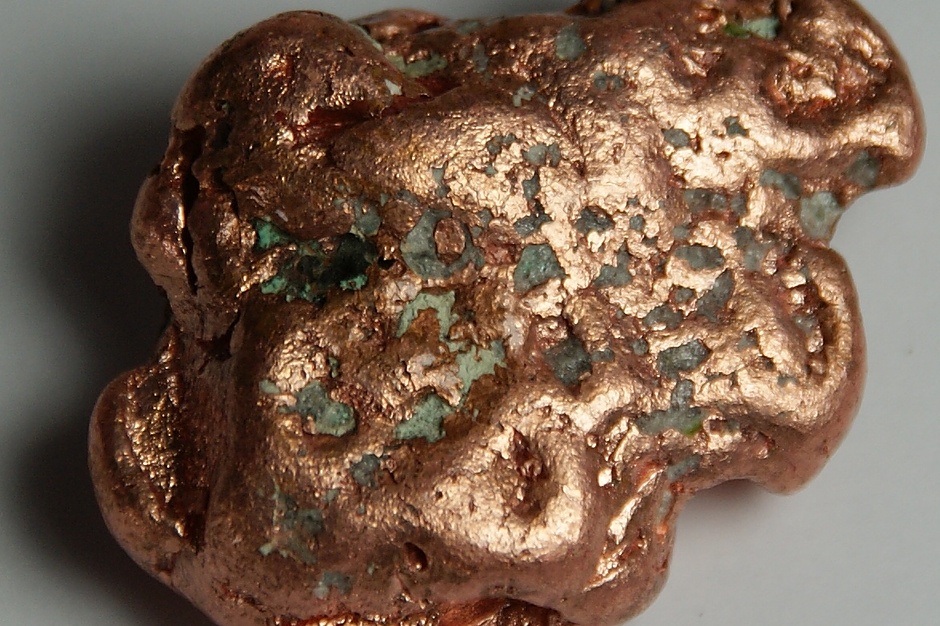 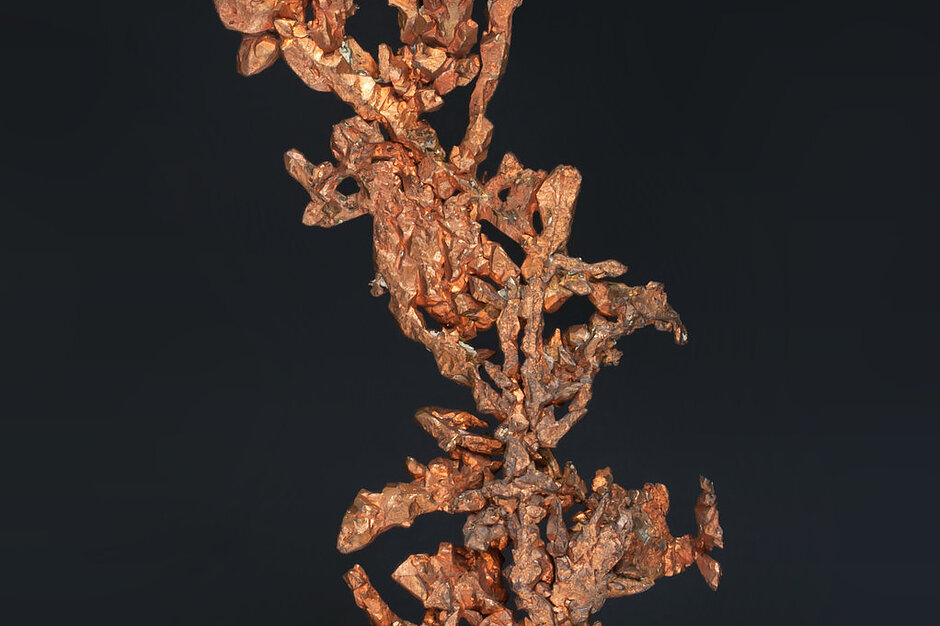 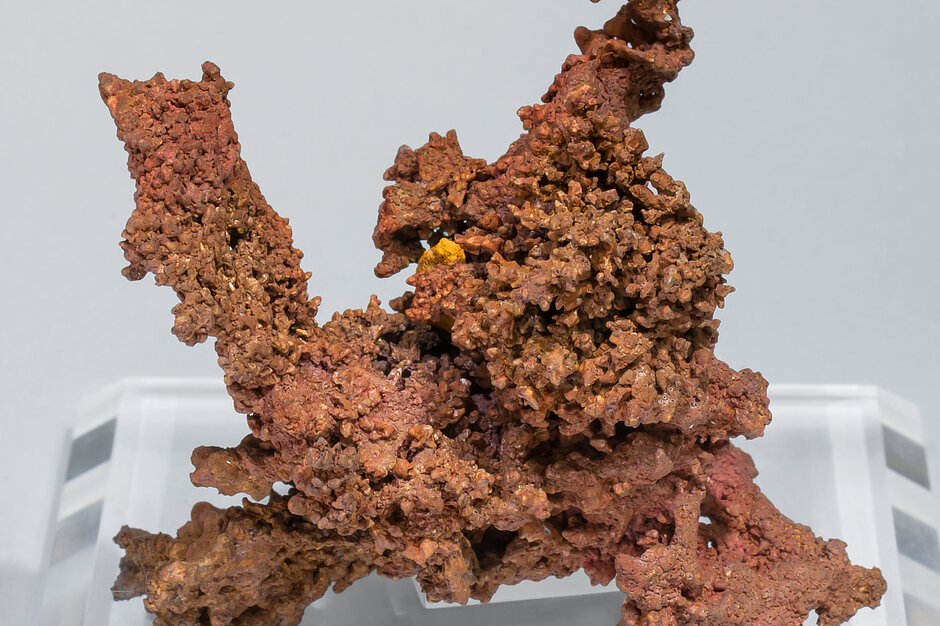 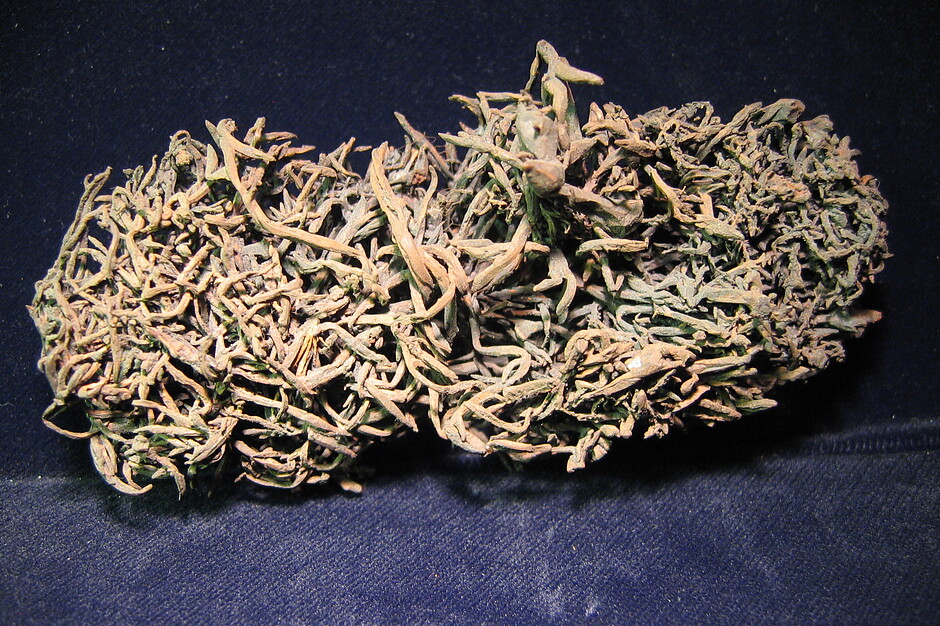 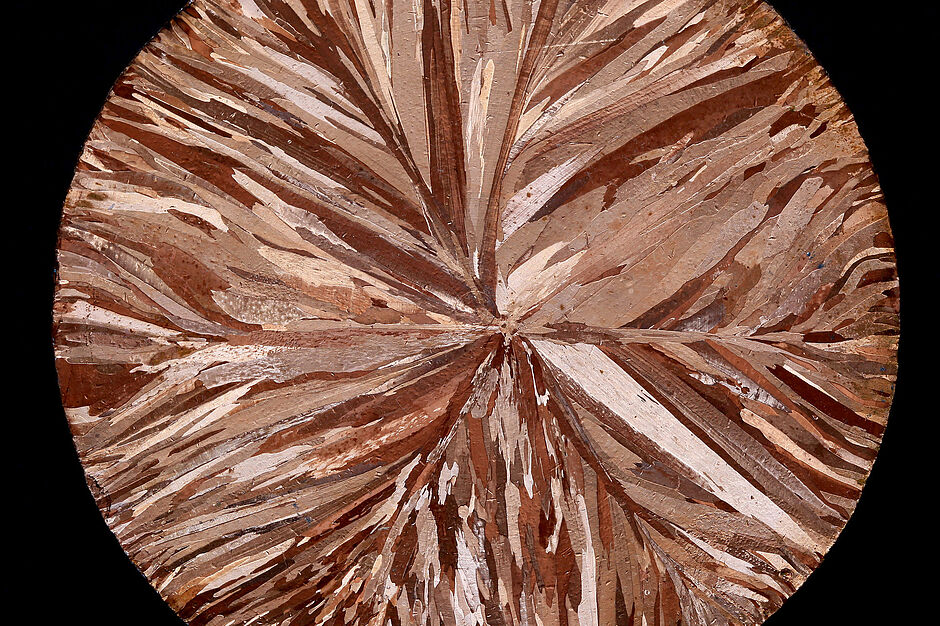 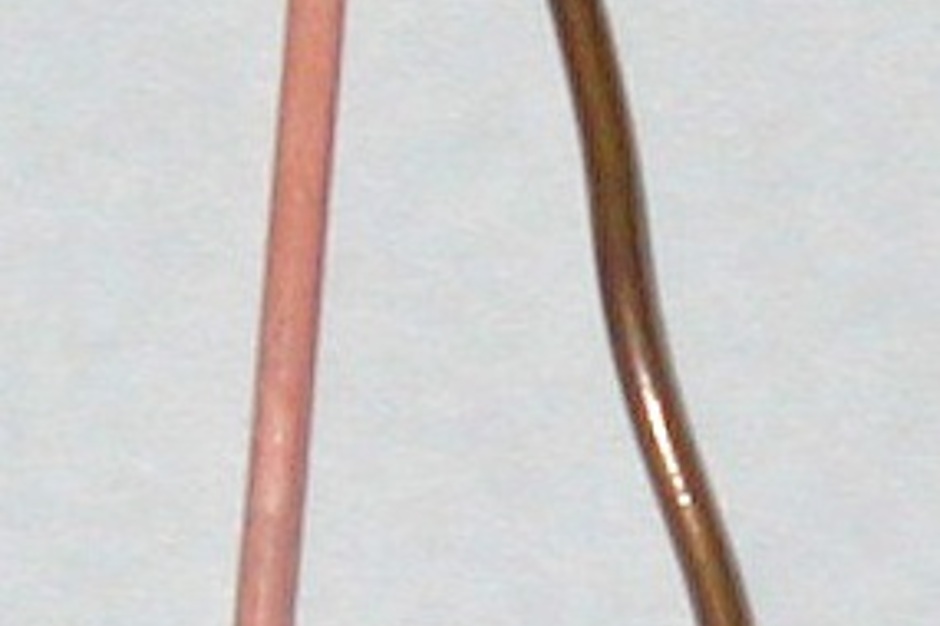 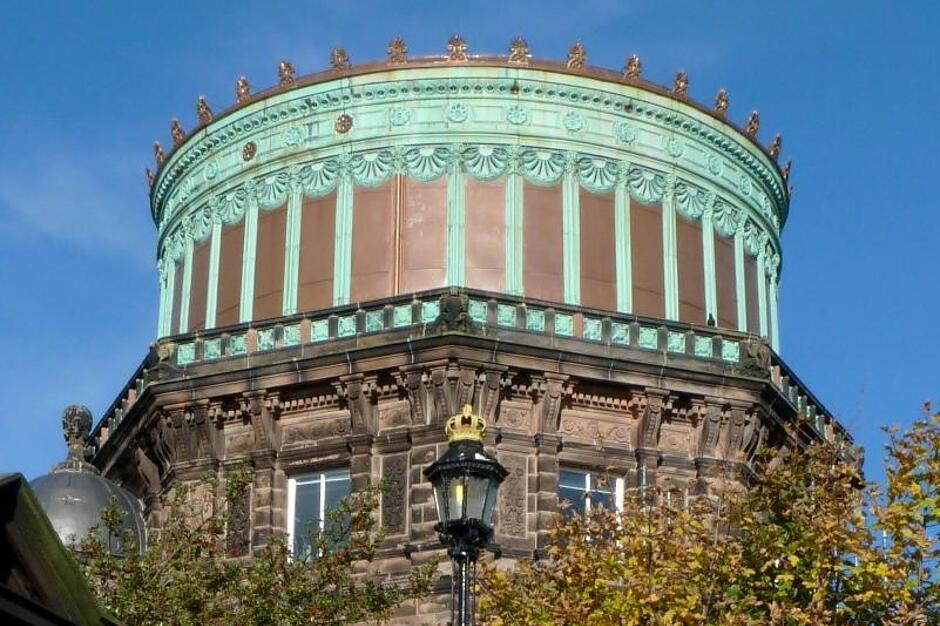 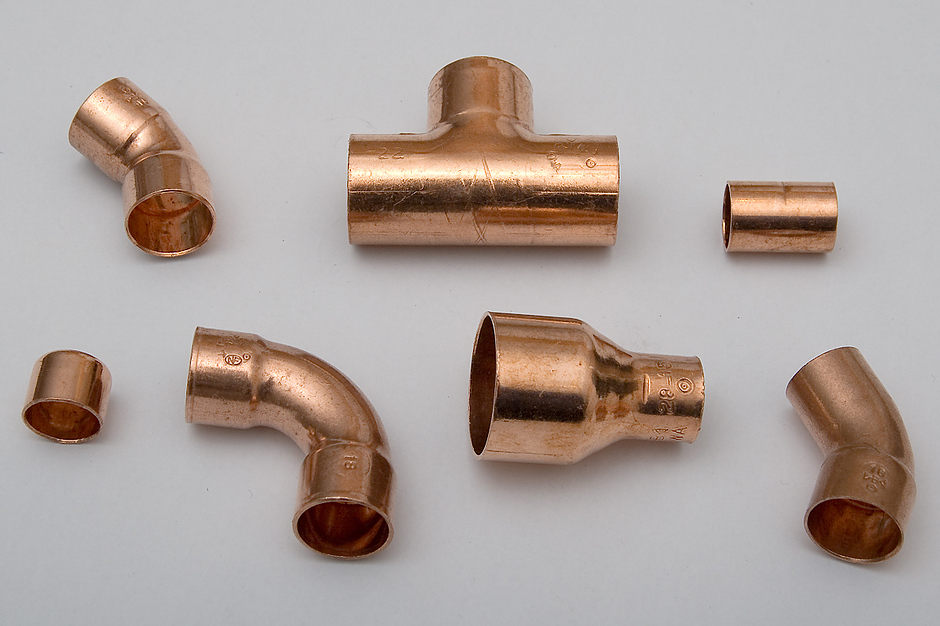 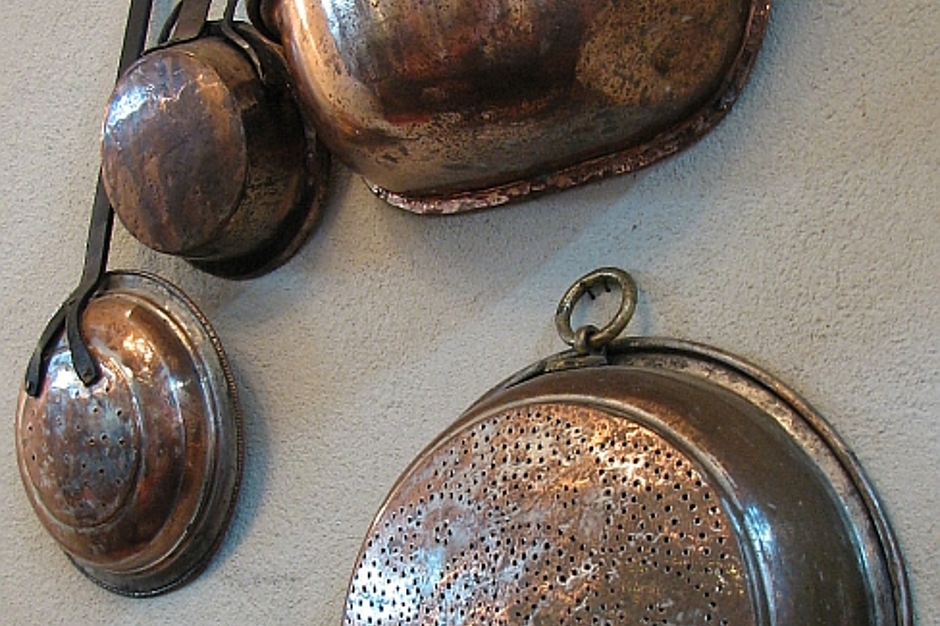  | ||
| < | Natural copper nugget | > |
| Atomic Properties | |
|---|---|
| Electronegativity (Pauling scale): | 1.9 |
| Atomic Radius: | 145 pm |
| Ionic Radius: | 77 pm (+1) |
| Van der Waals Radius: | 140 pm |
| 1st Ionization energy: | 746 kJ/mol |
| 1st Electron affinity: | -118 kJ/mol |
| Oxidation States: | 1,2,3,4 |
| Physical Properties | |
|---|---|
| Standard State: | solid |
| Bonding Type: | metallic |
| Melting Point: | 1358 K |
| Boiling Point: | 3200 K |
| Density: | 8.92 g/cm3 |
| Metal/Non-Metal: | transition metal |
| Main isotopes of Copper | ||||
|---|---|---|---|---|
| Isotope | % in Nature | Half Life | Decay type | Decay product |
| 63Cu | 69.15% | stable | ||
| 64Cu | synthetic | 12.700h | ε | 64Ni |
| β− | 64Zn | |||
| 65Cu | 30.85% | stable | ||
| 67Cu | synthetic | 61.83h | β− | 67Zn |
| Main ions of Copper | ||||
|---|---|---|---|---|
| Name | Ion | Example minerals | ||
| copper(I) | Cu+ | Cuprite, Chalcocite | ||
| copper(II) | Cu2+ | Malachite, Azurite, Tenorite | ||
| Other Information | |
|---|---|
| Year Discovered: | 9000 BC |
| Named For: | 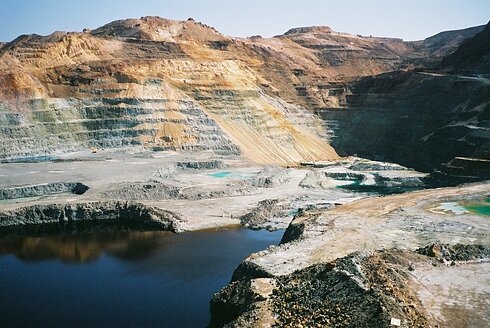 Cyprus, principal mining place in Roman era (Cyprium) |
| CPK color coding: | #C88033 |
| External Links: | WikipediaWebElementsLos Alamos National LaboratoryTheodore Gray's PeriodicTable.com |
| Simple Compounds and Mineral Names | |||||||||||||||||||||||||||||||||||||||||||||||||||||||||||||||||||||||||||||||||||||||||||||||||||||||||||||||||||||||||||||||||||||||||||||||||||||||
|---|---|---|---|---|---|---|---|---|---|---|---|---|---|---|---|---|---|---|---|---|---|---|---|---|---|---|---|---|---|---|---|---|---|---|---|---|---|---|---|---|---|---|---|---|---|---|---|---|---|---|---|---|---|---|---|---|---|---|---|---|---|---|---|---|---|---|---|---|---|---|---|---|---|---|---|---|---|---|---|---|---|---|---|---|---|---|---|---|---|---|---|---|---|---|---|---|---|---|---|---|---|---|---|---|---|---|---|---|---|---|---|---|---|---|---|---|---|---|---|---|---|---|---|---|---|---|---|---|---|---|---|---|---|---|---|---|---|---|---|---|---|---|---|---|---|---|---|---|---|---|---|
| Sulfides | copper (I) sulphide | Cu2S | +1 | Chalcocite | |||||||||||||||||||||||||||||||||||||||||||||||||||||||||||||||||||||||||||||||||||||||||||||||||||||||||||||||||||||||||||||||||||||||||||||||||||
| copper (II) sulphide | CuS | +2 | Covellite | ||||||||||||||||||||||||||||||||||||||||||||||||||||||||||||||||||||||||||||||||||||||||||||||||||||||||||||||||||||||||||||||||||||||||||||||||||||
| Selenides | copper (I) selenide | Cu2Se | +1 | Berzelianite, Bellidoite | |||||||||||||||||||||||||||||||||||||||||||||||||||||||||||||||||||||||||||||||||||||||||||||||||||||||||||||||||||||||||||||||||||||||||||||||||||
| copper (II) selenide | CuSe | +2 | Klockmannite | ||||||||||||||||||||||||||||||||||||||||||||||||||||||||||||||||||||||||||||||||||||||||||||||||||||||||||||||||||||||||||||||||||||||||||||||||||||
| copper (II) diselenide | CuSe2 | +2 | Kruťaite | ||||||||||||||||||||||||||||||||||||||||||||||||||||||||||||||||||||||||||||||||||||||||||||||||||||||||||||||||||||||||||||||||||||||||||||||||||||
| Tellurides | copper (II) telluride | CuTe | +2 | Vulcanite | |||||||||||||||||||||||||||||||||||||||||||||||||||||||||||||||||||||||||||||||||||||||||||||||||||||||||||||||||||||||||||||||||||||||||||||||||||
| copper (I) telluride | Cu2Te | +1 | Weissite | ||||||||||||||||||||||||||||||||||||||||||||||||||||||||||||||||||||||||||||||||||||||||||||||||||||||||||||||||||||||||||||||||||||||||||||||||||||
| Hydroxides | copper (II) hydroxide | Cu(OH)2 | +2 | Spertiniite | |||||||||||||||||||||||||||||||||||||||||||||||||||||||||||||||||||||||||||||||||||||||||||||||||||||||||||||||||||||||||||||||||||||||||||||||||||
| Fluorides | copper (I) fluoride | CuF | +1 | ||||||||||||||||||||||||||||||||||||||||||||||||||||||||||||||||||||||||||||||||||||||||||||||||||||||||||||||||||||||||||||||||||||||||||||||||||||
| copper (II) fluoride | CuF2 | +2 | |||||||||||||||||||||||||||||||||||||||||||||||||||||||||||||||||||||||||||||||||||||||||||||||||||||||||||||||||||||||||||||||||||||||||||||||||||||
| Chlorides | copper (I) chloride | CuCl | +1 | Nantokite | |||||||||||||||||||||||||||||||||||||||||||||||||||||||||||||||||||||||||||||||||||||||||||||||||||||||||||||||||||||||||||||||||||||||||||||||||||
| copper (II) chloride | CuCl2 | +2 | Tolbachite | ||||||||||||||||||||||||||||||||||||||||||||||||||||||||||||||||||||||||||||||||||||||||||||||||||||||||||||||||||||||||||||||||||||||||||||||||||||
| copper (II) chloride dihydrate | CuCl2 · 2H2O | +2 | Eriochalcite | ||||||||||||||||||||||||||||||||||||||||||||||||||||||||||||||||||||||||||||||||||||||||||||||||||||||||||||||||||||||||||||||||||||||||||||||||||||
| Bromides | copper (II) bromide | CuBr2 | +2 | ||||||||||||||||||||||||||||||||||||||||||||||||||||||||||||||||||||||||||||||||||||||||||||||||||||||||||||||||||||||||||||||||||||||||||||||||||||
| Iodides | copper (I) iodide | CuI | +1 | Marshite | |||||||||||||||||||||||||||||||||||||||||||||||||||||||||||||||||||||||||||||||||||||||||||||||||||||||||||||||||||||||||||||||||||||||||||||||||||
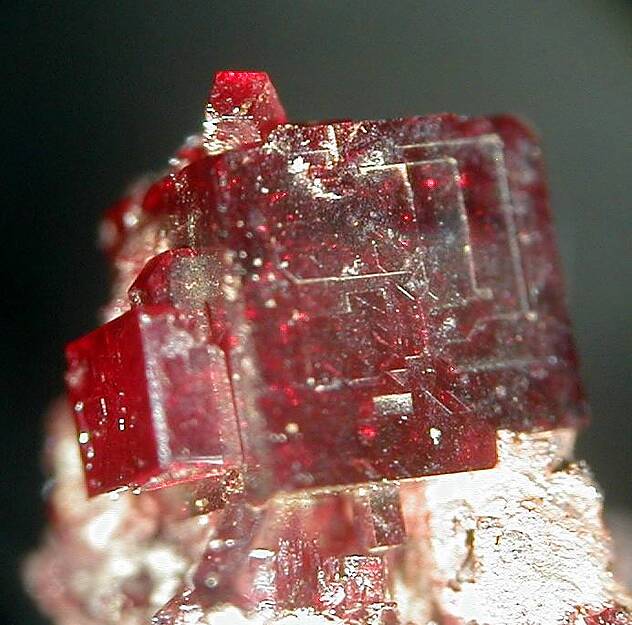
| Oxides | copper (I) oxide | Cu2O | +1 | Cuprite | |||||||||||||||||||||||||||||||||||||||||||||||||||||||||||||||||||||||||||||||||||||||||||||||||||||||||||||||||||||||||||||||||||||||||||||||||||
| copper (II) oxide | CuO | +2 | Tenorite | ||||||||||||||||||||||||||||||||||||||||||||||||||||||||||||||||||||||||||||||||||||||||||||||||||||||||||||||||||||||||||||||||||||||||||||||||||||
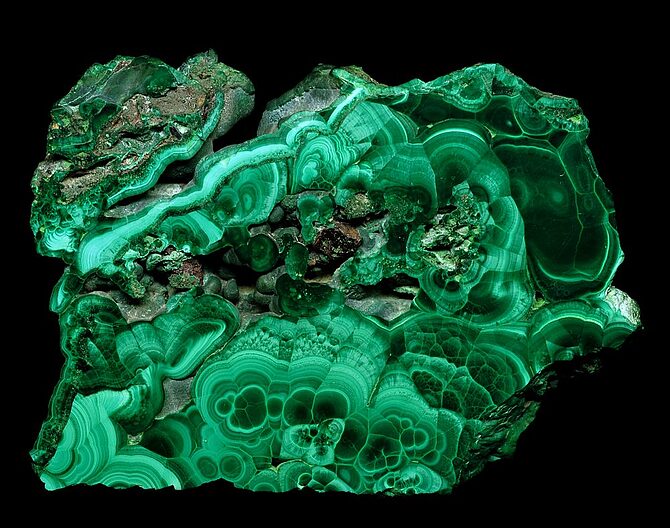
| Carbonates | dicopper carbonate dihydroxide | Cu2(OH)2CO3 | +2 | Malachite | |||||||||||||||||||||||||||||||||||||||||||||||||||||||||||||||||||||||||||||||||||||||||||||||||||||||||||||||||||||||||||||||||||||||||||||||||||
| tricopper dicarbonate dihydroxide | Cu3(CO3)2(OH)2 | +2 | Azurite | ||||||||||||||||||||||||||||||||||||||||||||||||||||||||||||||||||||||||||||||||||||||||||||||||||||||||||||||||||||||||||||||||||||||||||||||||||||
| Nitrates | copper (I) nitrate | CuNO3 | +1 | ||||||||||||||||||||||||||||||||||||||||||||||||||||||||||||||||||||||||||||||||||||||||||||||||||||||||||||||||||||||||||||||||||||||||||||||||||||
| copper (II) nitrate | Cu(NO3)2 | +2 | |||||||||||||||||||||||||||||||||||||||||||||||||||||||||||||||||||||||||||||||||||||||||||||||||||||||||||||||||||||||||||||||||||||||||||||||||||||
| Sulfates | copper (II) sulfate | CuSO4 | +2 | Chalcocyanite | |||||||||||||||||||||||||||||||||||||||||||||||||||||||||||||||||||||||||||||||||||||||||||||||||||||||||||||||||||||||||||||||||||||||||||||||||||
| copper (II) sulfate trihydrate | CuSO4 · 3H2O | +2 | Bonattite | ||||||||||||||||||||||||||||||||||||||||||||||||||||||||||||||||||||||||||||||||||||||||||||||||||||||||||||||||||||||||||||||||||||||||||||||||||||
| copper (II) sulfate pentahydrate | CuSO4 · 5H2O | +2 | Chalcanthite | ||||||||||||||||||||||||||||||||||||||||||||||||||||||||||||||||||||||||||||||||||||||||||||||||||||||||||||||||||||||||||||||||||||||||||||||||||||
| copper (II) sulfate heptahydrate | CuSO4 · 7H2O | +2 | Boothite | ||||||||||||||||||||||||||||||||||||||||||||||||||||||||||||||||||||||||||||||||||||||||||||||||||||||||||||||||||||||||||||||||||||||||||||||||||||
| Copper as a chromophore in minerals and gems | |
|---|---|
| Chromophore | Description |
| Cu+ | Red colour in cuprite |
| Cu2+ | Produces blue and green colour in azurite, malachite, etc. |
| Mineral Diversity of Copper | |
|---|---|
| 1. Elements | 26 valid mineral species |
| 2. Sulfides And Sulfosalts | 285 valid mineral species |
| 3. Halides | 47 valid mineral species |
| 4. Oxides | 58 valid mineral species |
| 5. Carbonates | 23 valid mineral species |
| 6. Borates | 6 valid mineral species |
| 7. Sulfates | 133 valid mineral species |
| 8. Phosphates, Arsenates, Vanadates | 182 valid mineral species |
| 9. Silicates | 33 valid mineral species |
| 10. Organic Compounds | 15 valid mineral species |
| Total: | 808 valid species containing essential Copper |
| Minerals with the greatest weight % of Copper | ||
|---|---|---|
| Native Copper | Cu | 100.00 % |
| Cuprite | Cu2O | 88.82 % |
| Jonlarsenite | Al4Cu9 | 84.12 % |
| Paramelaconite | Cu1+2Cu2+2O3 | 84.12 % |
| Tenorite | CuO | 79.89 % |
| Wuyanzhiite | Cu2S | 79.85 % |
| Chalcocite | Cu2S | 79.85 % |
| Djurleite | Cu31S16 | 79.34 % |
| Roxbyite | Cu58S32 | 78.22 % |
| Digenite | Cu9S5 | 78.10 % |
| Geochemistry of Copper | |
|---|---|
| Goldschmidt classification: | Chalcophile |
| Cu2+ was one of the ions least depleted from the mantle in the formation of the crust. | |
| Cu2+ is concentrated in deep-sea ferromanganese nodules relative to seawater. | |
| Cu2+ solute can be a limiting nutrient in the growth of bacteria. | |
| Cu2+ solute is a micronutrient on land. | |
| Cu2+ is essential to nutrition of at least some vertebrates ('essential minerals'). | |
| Elemental Abundance for Copper | ||
|---|---|---|
| Crust (CRC Handbook) | 6.0 x 10⁻⁵ | mass fraction, kg/kg |
| Crust (Kaye & Laby) | 5.8 x 10⁻⁵ | mass fraction, kg/kg |
| Crust (Greenwood) | 6.8 x 10⁻⁵ | mass fraction, kg/kg |
| Crust (Ahrens/Taylor) | 7.5 x 10⁻⁵ | mass fraction, kg/kg |
| Crust (Ahrens/Wänke) | 4.7 x 10⁻⁵ | mass fraction, kg/kg |
| Upper Crust (Ahrens/Taylor) | 2.5 x 10⁻⁵ | mass fraction, kg/kg |
| Upper Crust (Ahrens/Shaw) | 1.4 x 10⁻⁵ | mass fraction, kg/kg |
| Sea Water (CRC Handbook) | 2.5 x 10⁻¹⁰ | mass per volume fraction, kg/L |
| Sea Water (Kaye & Laby) | 2.3 x 10⁻⁸ | mass per volume fraction, kg/L |
| The Sun (Kaye & Laby) | 4.5 x 10⁻⁴ | atom mole fraction relative to Si=1 |
| Solar System (Kaye & Laby) | 5.2 x 10⁻⁴ | atom mole fraction relative to Si=1 |
| Solar System (Ahrens) | 5.22 x 10⁻⁴ (11%) | atom mole fraction relative to Si=1 (% uncertainty) |
| Element association of Copper in the Mineral World | |||
|---|---|---|---|
| This table compares the known valid mineral species listed listed with Copper and the other elements listed based on the official IMA formula. Note that unlike other sections on this page this includes non-essential elements. The first data column contains the total number of minerals listed with Copper and the element listed for that row. The second data column lists this number as a percentage of all minerals listed with Copper. The final data column compares this percentage against the percentage of all minerals that contain the element listed in each row. Click on a heading to sort. |
| Periodic Table | |||||||||||||||||||||||||||||||||||||||||||||||||||||||||||||||||||||||||||||||||||||||||||||||||||||||||||||||||||||||||||||||||||||||||||||||||||||||
|---|---|---|---|---|---|---|---|---|---|---|---|---|---|---|---|---|---|---|---|---|---|---|---|---|---|---|---|---|---|---|---|---|---|---|---|---|---|---|---|---|---|---|---|---|---|---|---|---|---|---|---|---|---|---|---|---|---|---|---|---|---|---|---|---|---|---|---|---|---|---|---|---|---|---|---|---|---|---|---|---|---|---|---|---|---|---|---|---|---|---|---|---|---|---|---|---|---|---|---|---|---|---|---|---|---|---|---|---|---|---|---|---|---|---|---|---|---|---|---|---|---|---|---|---|---|---|---|---|---|---|---|---|---|---|---|---|---|---|---|---|---|---|---|---|---|---|---|---|---|---|---|
| |||||||||||||||||||||||||||||||||||||||||||||||||||||||||||||||||||||||||||||||||||||||||||||||||||||||||||||||||||||||||||||||||||||||||||||||||||||||
| Nickel << Copper >> Zinc | |||||||||||||||||||||||||||||||||||||||||||||||||||||||||||||||||||||||||||||||||||||||||||||||||||||||||||||||||||||||||||||||||||||||||||||||||||||||