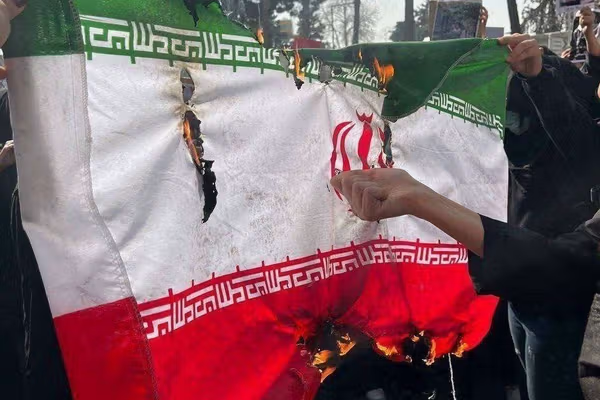
Iranian students burn flag, signaling a new phase in state–society rupture
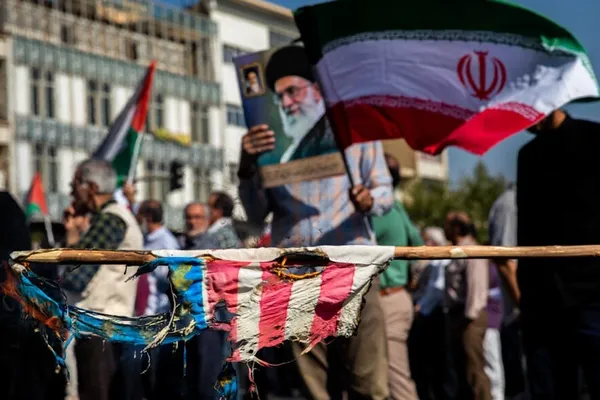
The burning of the Islamic Republic’s national flag at three Iranian universities on Monday marks a new high in the widening rift between the state and the people.
The burning of the Islamic Republic’s national flag at three Iranian universities on Monday marks a new high in the widening rift between the state and the people.
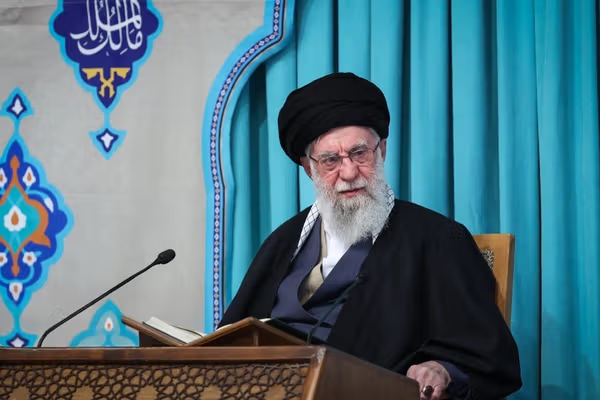
Tehran’s posture increasingly resembles that of an embattled state that sees greater odds of survival in confrontation than in compromise—one that views a decisive clash not as catastrophe, but as a potential turning point.
Iran stands at a pivotal moment. If political change brings institutional reform, the country could break decades of stagnation and return to sustained growth. But without credible governance, any transition risks replacing one failed equilibrium with another.
Capital flight from Iran is accelerating just as oil revenues decline, according to new data from the Central Bank of Iran—a convergence that helps explain the sharp fall of the national currency in recent months.
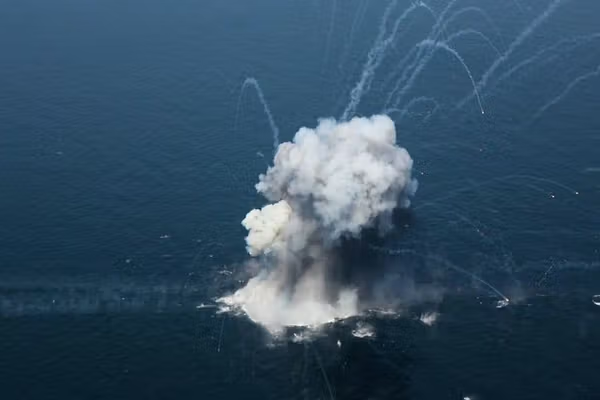
The latest round of Iran-US talks in Geneva on Tuesday would likely not have taken place without sustained pressure from regional powers that leveraged their close relations with Washington to help avert a wider war.
Two competing futures are being sketched for Iran: a bleak “Syria-style” slide into chaos, or a more optimistic path grounded in economic research and detailed transition planning by the Iran Prosperity Project, tailored to the country’s specific realities.

Iran’s oil exports declined sharply at the start of 2026, new tanker-tracking data show, raising fresh questions about the durability of Tehran’s most important economic lifeline under renewed US sanctions pressure.

About a month ago, US President Donald Trump urged Iranians to keep protesting and take over institutions, saying that “help is on the way.”
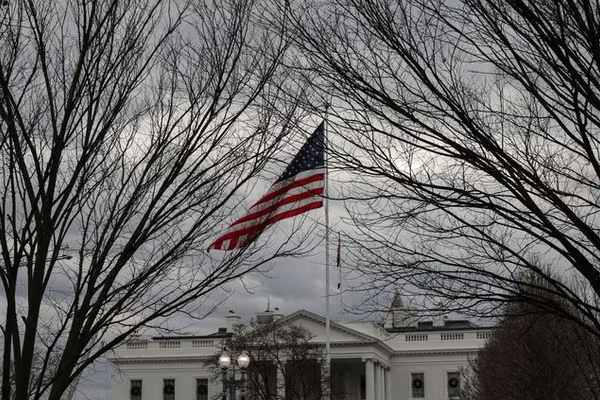
Israel’s Prime Minister Benjamin Netanyahu believes only direct engagement with US President Donald Trump can prevent a limited nuclear deal with Iran—and turn this moment into a decisive blow against the Islamic Republic.
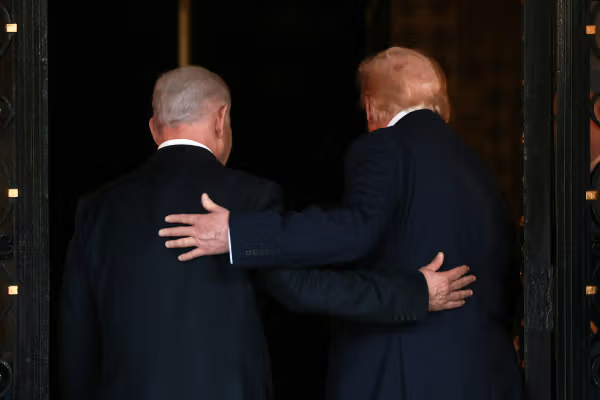
Israeli Prime Minister Benjamin Netanyahu’s hastily advanced trip to Washington this week underscores the rising stakes surrounding renewed diplomacy between Iran and the United States.

Human rights activists are sounding the alarm over reports of secret and extrajudicial executions in Iran, warning that the authorities may be moving toward retaliating against detainees after the deadly crackdown on protests in January.

Tehran’s frequently invoked threat of closing the Strait of Hormuz may be far easier to signal than to carry out, not least because it would harm allied China more than the hostile West.
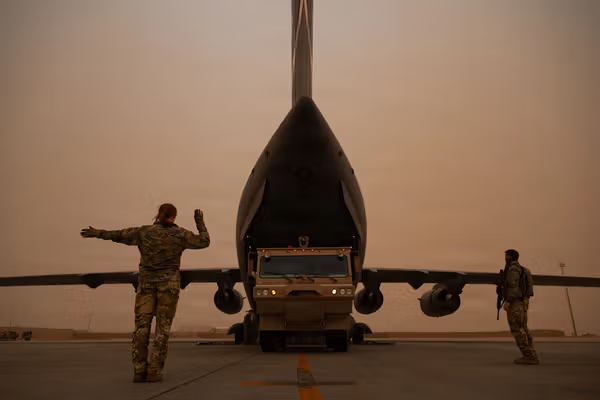
Iran’s leadership is edging toward a war scenario not because diplomacy is necessarily collapsing, but because confrontation is increasingly seen as the least damaging option for a ruling system under intense internal and external pressure.
The reappearance of diplomacy between Washington and Tehran is being shadowed by limited but dangerous military showdowns, revealing how narrow the space for negotiation has become in the absence of trust.
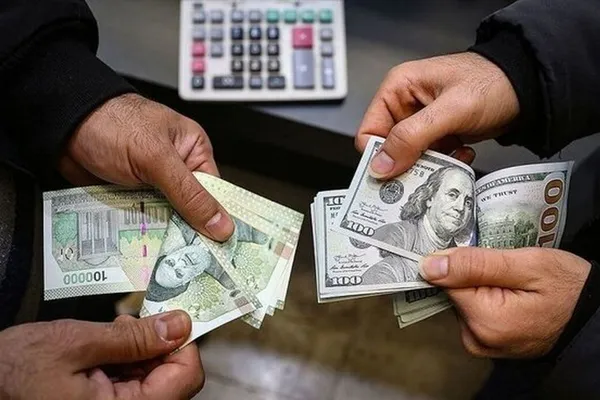
Iran’s currency has lost half its value in just six months and is now at risk of losing its role as both a store of value and a functioning currency, as households and businesses increasingly shift prices, savings, and expectations toward the US dollar.
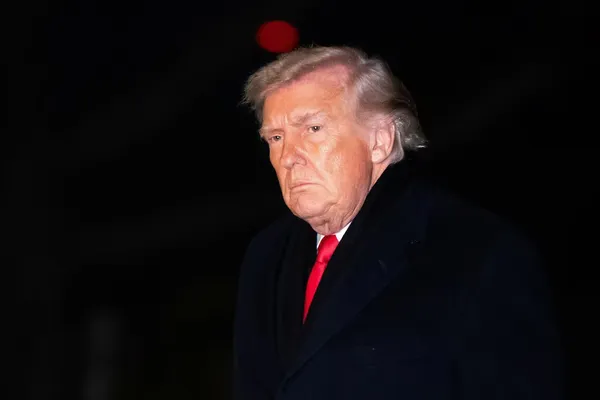
President Donald Trump’s response to Iran’s recent unrest appears to reflect a strategy of gunboat diplomacy: the use of military pressure, rhetorical escalation, and economic coercion to extract concessions without committing to war or formal regime change.
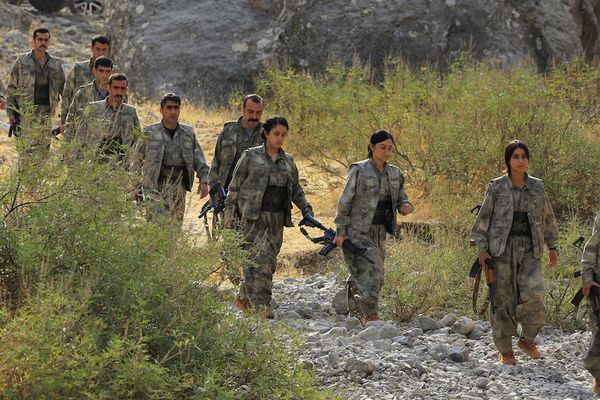
Iranians’ chants against the Islamic Republic—muted for now by brute force—are viewed in Turkey not as a struggle for freedom but as a geopolitical risk from migration and militancy.
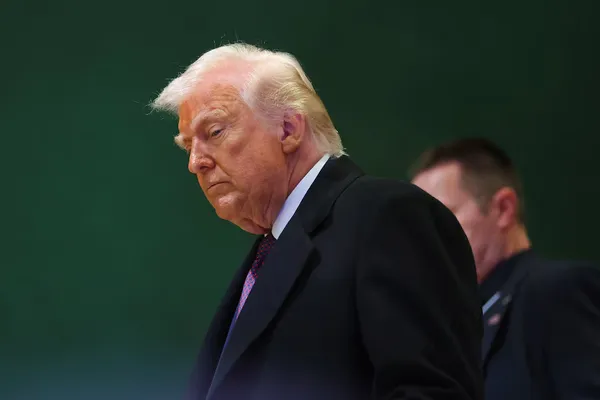
US President Donald Trump’s dramatic naval buildup in the Middle East appears to have generated more strategic uncertainty than clarity both in Tehran and in Washington.
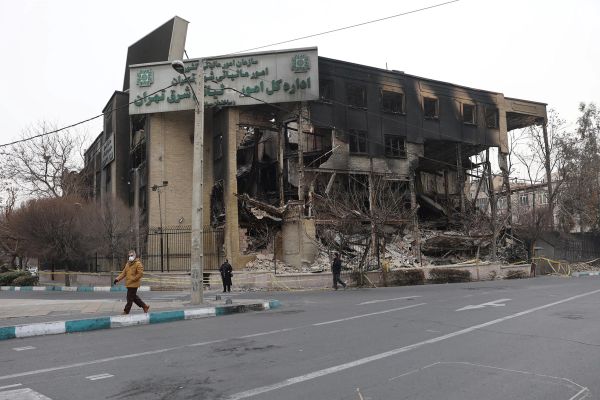
Iran cannot simply rewind to the weeks before the protests began. The crackdown hardened public anger, while an already overstretched economy and energy system lost what little room they had to absorb another shock.
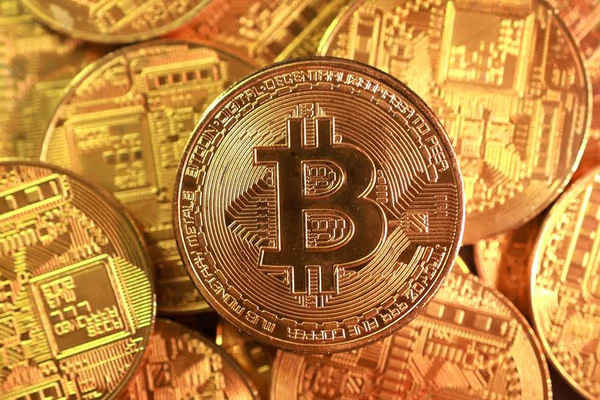
Cryptocurrency is a rare tool embraced by both Iran’s rulers and its citizens—used at the top to enrich elites to dodge sanctions and at the bottom to survive the economic devastation wrought by their policies.
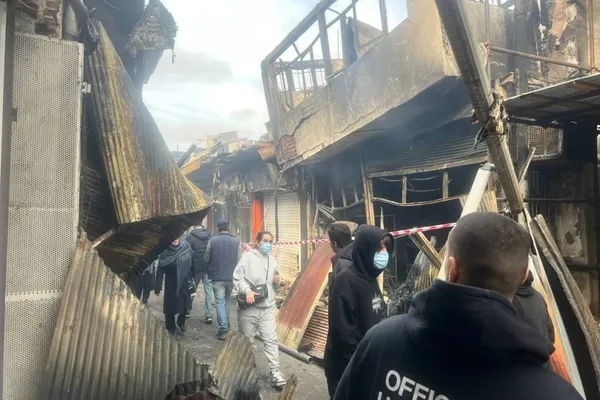
Iran’s state broadcaster has reached a point where control no longer translates into attention, exposing how years of manipulation, omission and distrust have hollowed out its authority and left a system that still fills airtime but is no longer watched.
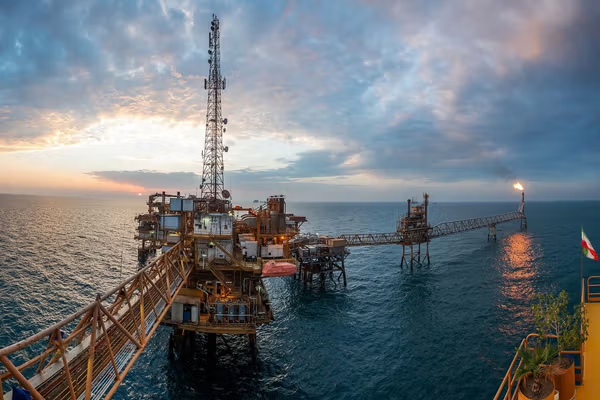
One year after US President Donald Trump returned to the White House and revived the "maximum pressure" sanctions on Iran from his first term, available data show the country’s energy exports remain largely intact.