Argenteau, Visé, Liège, Wallonia, Belgiumi
| Regional Level Types | |
|---|---|
| Argenteau | Sub-municipality |
| Visé | Municipality |
| Liège | Province |
| Wallonia | Region |
| Belgium | Country |
This page is currently not sponsored. Click here to sponsor this page.
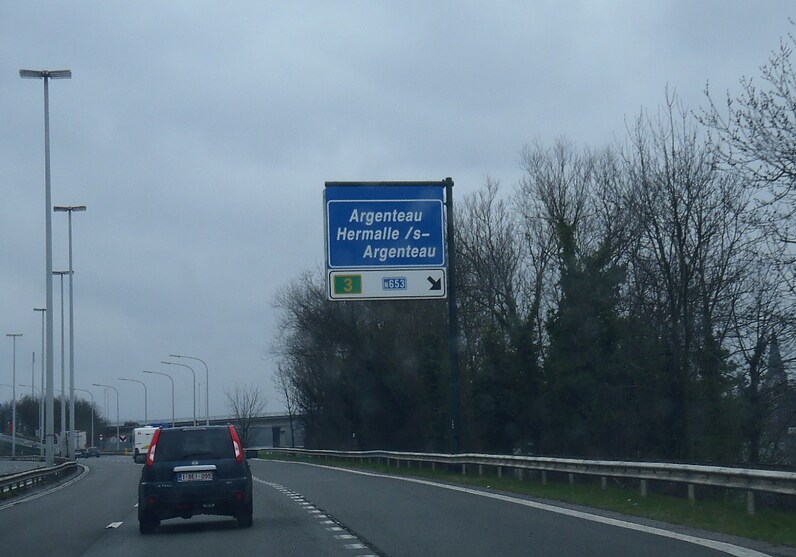
Argenteau is a former municipality and currently a sub-municipality of the municipality of Visé. It was a separate municipality until the merger of municipalities in 1977.
Argenteau is located at the western end of the Herve plateau, between the Meuse valley and the wooded Julienne valley.
Note on destinezite and correct locality assignment (from https://www.mindat.org/mesg-609961.html):
"The locality where we found destinezite in the early seventies was in the vicinity of the 'Château d'Argenteau' ('Castle of Argenteau'), less than 1 km SW of the center of Richelle, that is almost in the middle between Richelle and Argenteau. I think it's very hard to determine if old destinezite specimens have to be attributed to 'Richelle' or 'Argenteau'. Attention: the locality SW of Richelle where destinezite was found should not be confused with finds of other rare phosphates in the old quarries NW of Richelle. That's kind of a different story."
(Rik Dillen)Note on 'evansite' (from https://www.fluomin.org/uk/fiche.php?id=328 ):
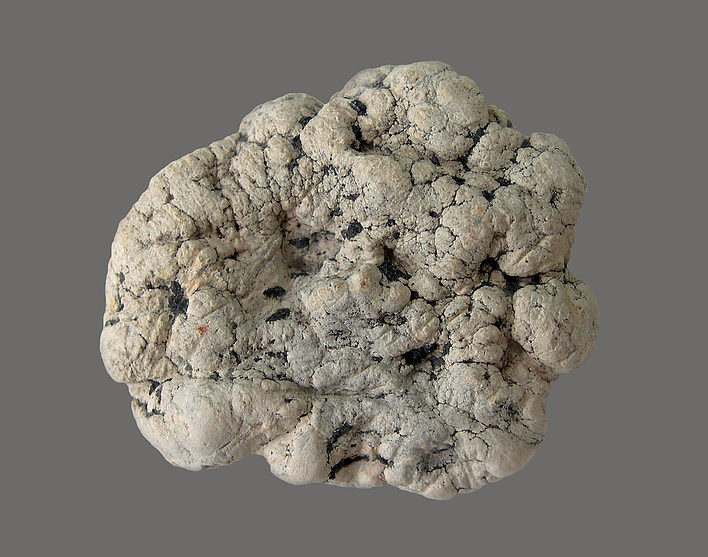
"Rik Dillen and Axel Emmermann have shown (2021) that evansite samples from a deposit along a road in Richelle (Belgium) and presenting a globular crust facies on a schistose rock (see picture), sold for decades on Belgian mineral fairs with the label evansite, are in fact mainly made of calcite (see also Philippo, 2019). An analysis by Raman spectrometry on several points of a sample of this type in my collection unambiguously indicates the presence of calcium carbonate and not of evansite (aluminum phosphate). The fluorescence is also quite similar to that of many calcites."
"In some amateur collections, other samples of Richelle's evansite on a completely different matrix (breccia) also appear to be fluorescent as mentioned by Van Tassel in his paper (1959, see bibliography), but their exact nature needs to be confirmed (green crandallite?)."
"The morphology of the samples described by Van Tassel in the gray breccia of Argenteau (white to gray nodules not exceeding one millimeter but showing fluorescence in blue-white tints) still does not correspond to these samples. In the book 'Les minéraux de Belgique' (Fransolet et al., 1976) evansite is not on the list of minerals from the locality of Richelle, but that of Argenteau (Philippo, 2019)."
"The fluorescence of real evansite samples from Belgium therefore remains to be studied."
Select Mineral List Type
Standard Detailed Gallery Strunz Chemical ElementsCommodity List
This is a list of exploitable or exploited mineral commodities recorded from this region.Mineral List
Mineral list contains entries from the region specified including sub-localities24 valid minerals. 1 (TL) - type locality of valid minerals.
Rock Types Recorded
Note: data is currently VERY limited. Please bear with us while we work towards adding this information!
Rock list contains entries from the region specified including sub-localities
Select Rock List Type
Alphabetical List Tree DiagramDetailed Mineral List:
| ⓘ Allophane Formula: (Al2O3)(SiO2)1.3-2 · 2.5-3H2O Colour: yellowish |
| ⓘ Aragonite Formula: CaCO3 References: |
| ⓘ Autunite Formula: Ca(UO2)2(PO4)2 · 10-12H2O |
| ⓘ Azurite Formula: Cu3(CO3)2(OH)2 References: |
| ⓘ Calcite Formula: CaCO3 |
| ⓘ Chalcopyrite Formula: CuFeS2 Habit: sphenohedra {112}, sometimes modified by numerous facets. Description: More or less transformed into limonite, associated with malachite and azurite (Lespineux, 1903). References: |
| ⓘ Delvauxite Formula: CaFe4(PO4,SO4)2(OH)8 · 4-6H2O not confirmed |
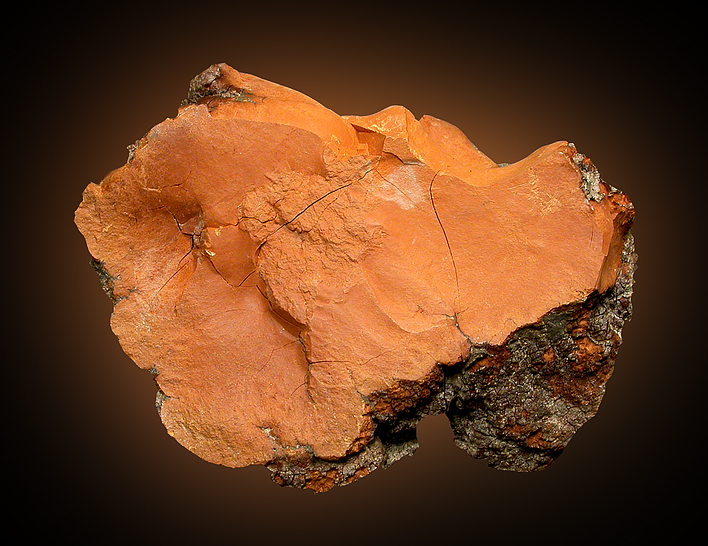
| ⓘ Destinezite (TL) Formula: Fe3+2(PO4)(SO4)(OH) · 6H2O Type Locality: Habit: kidney-shaped masses showing microscopic flattened subhexagonal lamellae up to 10 microns of which the morphology resembles that of gypsum (Cesàro, 1885) Colour: whitish References: |
| ⓘ Evansite Formula: Al3(PO4)(OH)6 · 6H2O References: |
| ⓘ Fluellite Formula: Al2(PO4)F2(OH) · 7H2O Habit: small dipyramids (0.2 to 0.6mm) forming comb- or fan-shaped groups Colour: colourless, often clear References: |
| ⓘ Fluorite Formula: CaF2 |
| ⓘ Gypsum Formula: CaSO4 · 2H2O |
| ⓘ Halloysite Formula: Al2(Si2O5)(OH)4 |
| ⓘ Halotrichite Formula: FeAl2(SO4)4 · 22H2O |
| ⓘ Jarosite Formula: KFe3+3(SO4)2(OH)6 |
| ⓘ Kaolinite Formula: Al2(Si2O5)(OH)4 References: |
| ⓘ 'Limonite' References: |
| ⓘ Malachite Formula: Cu2(CO3)(OH)2 Description: Resulting from the alteration of chalcopyrite. References: |
| ⓘ Meta-autunite Formula: Ca(UO2)2(PO4)2 · 6H2O Habit: thin platelets References: |
| ⓘ Native Sulphur Formula: S8 |
| ⓘ Natrojarosite Formula: NaFe3(SO4)2(OH)6 |
| ⓘ Nontronite Formula: Na0.3Fe2((Si,Al)4O10)(OH)2 · nH2O Habit: masses with conchoidal fracture Colour: brown |
| ⓘ Pyrite Formula: FeS2 |
| ⓘ Quartz Formula: SiO2 |
| ⓘ Torbernite Formula: Cu(UO2)2(PO4)2 · 12H2O |

List of minerals arranged by Strunz 10th Edition classification
| Group 1 - Elements | |||
|---|---|---|---|
| ⓘ | Native Sulphur | 1.CC.05 | S8 |
| Group 2 - Sulphides and Sulfosalts | |||
| ⓘ | Chalcopyrite | 2.CB.10a | CuFeS2 |
| ⓘ | Pyrite | 2.EB.05a | FeS2 |
| Group 3 - Halides | |||
| ⓘ | Fluorite | 3.AB.25 | CaF2 |
| Group 4 - Oxides and Hydroxides | |||
| ⓘ | Quartz | 4.DA.05 | SiO2 |
| Group 5 - Nitrates and Carbonates | |||
| ⓘ | Calcite | 5.AB.05 | CaCO3 |
| ⓘ | Aragonite | 5.AB.15 | CaCO3 |
| ⓘ | Azurite | 5.BA.05 | Cu3(CO3)2(OH)2 |
| ⓘ | Malachite | 5.BA.10 | Cu2(CO3)(OH)2 |
| Group 7 - Sulphates, Chromates, Molybdates and Tungstates | |||
| ⓘ | Jarosite | 7.BC.10 | KFe3+3(SO4)2(OH)6 |
| ⓘ | Natrojarosite | 7.BC.10 | NaFe3(SO4)2(OH)6 |
| ⓘ | Halotrichite | 7.CB.85 | FeAl2(SO4)4 · 22H2O |
| ⓘ | Gypsum | 7.CD.40 | CaSO4 · 2H2O |
| Group 8 - Phosphates, Arsenates and Vanadates | |||
| ⓘ | Destinezite (TL) | 8.DB.05 | Fe3+2(PO4)(SO4)(OH) · 6H2O |
| ⓘ | Fluellite | 8.DE.10 | Al2(PO4)F2(OH) · 7H2O |
| ⓘ | Evansite | 8.DF.10 | Al3(PO4)(OH)6 · 6H2O |
| ⓘ | Delvauxite | 8.DM.35 | CaFe4(PO4,SO4)2(OH)8 · 4-6H2O not confirmed |
| ⓘ | Autunite | 8.EB.05 | Ca(UO2)2(PO4)2 · 10-12H2O |
| ⓘ | Torbernite | 8.EB.05 | Cu(UO2)2(PO4)2 · 12H2O |
| ⓘ | Meta-autunite | 8.EB.10 | Ca(UO2)2(PO4)2 · 6H2O |
| Group 9 - Silicates | |||
| ⓘ | Nontronite | 9.EC.40 | Na0.3Fe2((Si,Al)4O10)(OH)2 · nH2O |
| ⓘ | Kaolinite | 9.ED.05 | Al2(Si2O5)(OH)4 |
| ⓘ | Halloysite | 9.ED.10 | Al2(Si2O5)(OH)4 |
| ⓘ | Allophane | 9.ED.20 | (Al2O3)(SiO2)1.3-2 · 2.5-3H2O |
| Unclassified | |||
| ⓘ | 'Limonite' | - | |
List of minerals for each chemical element
| H | Hydrogen | |
|---|---|---|
| H | ⓘ Allophane | (Al2O3)(SiO2)1.3-2 · 2.5-3H2O |
| H | ⓘ Autunite | Ca(UO2)2(PO4)2 · 10-12H2O |
| H | ⓘ Azurite | Cu3(CO3)2(OH)2 |
| H | ⓘ Delvauxite | CaFe4(PO4,SO4)2(OH)8 · 4-6H2O not confirmed |
| H | ⓘ Evansite | Al3(PO4)(OH)6 · 6H2O |
| H | ⓘ Fluellite | Al2(PO4)F2(OH) · 7H2O |
| H | ⓘ Gypsum | CaSO4 · 2H2O |
| H | ⓘ Halloysite | Al2(Si2O5)(OH)4 |
| H | ⓘ Halotrichite | FeAl2(SO4)4 · 22H2O |
| H | ⓘ Jarosite | KFe33+(SO4)2(OH)6 |
| H | ⓘ Kaolinite | Al2(Si2O5)(OH)4 |
| H | ⓘ Malachite | Cu2(CO3)(OH)2 |
| H | ⓘ Meta-autunite | Ca(UO2)2(PO4)2 · 6H2O |
| H | ⓘ Natrojarosite | NaFe3(SO4)2(OH)6 |
| H | ⓘ Nontronite | Na0.3Fe2((Si,Al)4O10)(OH)2 · nH2O |
| H | ⓘ Torbernite | Cu(UO2)2(PO4)2 · 12H2O |
| H | ⓘ Destinezite | Fe23+(PO4)(SO4)(OH) · 6H2O |
| C | Carbon | |
| C | ⓘ Aragonite | CaCO3 |
| C | ⓘ Azurite | Cu3(CO3)2(OH)2 |
| C | ⓘ Calcite | CaCO3 |
| C | ⓘ Malachite | Cu2(CO3)(OH)2 |
| O | Oxygen | |
| O | ⓘ Allophane | (Al2O3)(SiO2)1.3-2 · 2.5-3H2O |
| O | ⓘ Aragonite | CaCO3 |
| O | ⓘ Autunite | Ca(UO2)2(PO4)2 · 10-12H2O |
| O | ⓘ Azurite | Cu3(CO3)2(OH)2 |
| O | ⓘ Calcite | CaCO3 |
| O | ⓘ Delvauxite | CaFe4(PO4,SO4)2(OH)8 · 4-6H2O not confirmed |
| O | ⓘ Evansite | Al3(PO4)(OH)6 · 6H2O |
| O | ⓘ Fluellite | Al2(PO4)F2(OH) · 7H2O |
| O | ⓘ Gypsum | CaSO4 · 2H2O |
| O | ⓘ Halloysite | Al2(Si2O5)(OH)4 |
| O | ⓘ Halotrichite | FeAl2(SO4)4 · 22H2O |
| O | ⓘ Jarosite | KFe33+(SO4)2(OH)6 |
| O | ⓘ Kaolinite | Al2(Si2O5)(OH)4 |
| O | ⓘ Malachite | Cu2(CO3)(OH)2 |
| O | ⓘ Meta-autunite | Ca(UO2)2(PO4)2 · 6H2O |
| O | ⓘ Natrojarosite | NaFe3(SO4)2(OH)6 |
| O | ⓘ Nontronite | Na0.3Fe2((Si,Al)4O10)(OH)2 · nH2O |
| O | ⓘ Quartz | SiO2 |
| O | ⓘ Torbernite | Cu(UO2)2(PO4)2 · 12H2O |
| O | ⓘ Destinezite | Fe23+(PO4)(SO4)(OH) · 6H2O |
| F | Fluorine | |
| F | ⓘ Fluellite | Al2(PO4)F2(OH) · 7H2O |
| F | ⓘ Fluorite | CaF2 |
| Na | Sodium | |
| Na | ⓘ Natrojarosite | NaFe3(SO4)2(OH)6 |
| Na | ⓘ Nontronite | Na0.3Fe2((Si,Al)4O10)(OH)2 · nH2O |
| Al | Aluminium | |
| Al | ⓘ Allophane | (Al2O3)(SiO2)1.3-2 · 2.5-3H2O |
| Al | ⓘ Evansite | Al3(PO4)(OH)6 · 6H2O |
| Al | ⓘ Fluellite | Al2(PO4)F2(OH) · 7H2O |
| Al | ⓘ Halloysite | Al2(Si2O5)(OH)4 |
| Al | ⓘ Halotrichite | FeAl2(SO4)4 · 22H2O |
| Al | ⓘ Kaolinite | Al2(Si2O5)(OH)4 |
| Al | ⓘ Nontronite | Na0.3Fe2((Si,Al)4O10)(OH)2 · nH2O |
| Si | Silicon | |
| Si | ⓘ Allophane | (Al2O3)(SiO2)1.3-2 · 2.5-3H2O |
| Si | ⓘ Halloysite | Al2(Si2O5)(OH)4 |
| Si | ⓘ Kaolinite | Al2(Si2O5)(OH)4 |
| Si | ⓘ Nontronite | Na0.3Fe2((Si,Al)4O10)(OH)2 · nH2O |
| Si | ⓘ Quartz | SiO2 |
| P | Phosphorus | |
| P | ⓘ Autunite | Ca(UO2)2(PO4)2 · 10-12H2O |
| P | ⓘ Delvauxite | CaFe4(PO4,SO4)2(OH)8 · 4-6H2O not confirmed |
| P | ⓘ Evansite | Al3(PO4)(OH)6 · 6H2O |
| P | ⓘ Fluellite | Al2(PO4)F2(OH) · 7H2O |
| P | ⓘ Meta-autunite | Ca(UO2)2(PO4)2 · 6H2O |
| P | ⓘ Torbernite | Cu(UO2)2(PO4)2 · 12H2O |
| P | ⓘ Destinezite | Fe23+(PO4)(SO4)(OH) · 6H2O |
| S | Sulfur | |
| S | ⓘ Chalcopyrite | CuFeS2 |
| S | ⓘ Delvauxite | CaFe4(PO4,SO4)2(OH)8 · 4-6H2O not confirmed |
| S | ⓘ Gypsum | CaSO4 · 2H2O |
| S | ⓘ Halotrichite | FeAl2(SO4)4 · 22H2O |
| S | ⓘ Jarosite | KFe33+(SO4)2(OH)6 |
| S | ⓘ Natrojarosite | NaFe3(SO4)2(OH)6 |
| S | ⓘ Pyrite | FeS2 |
| S | ⓘ Native Sulphur | S8 |
| S | ⓘ Destinezite | Fe23+(PO4)(SO4)(OH) · 6H2O |
| K | Potassium | |
| K | ⓘ Jarosite | KFe33+(SO4)2(OH)6 |
| Ca | Calcium | |
| Ca | ⓘ Aragonite | CaCO3 |
| Ca | ⓘ Autunite | Ca(UO2)2(PO4)2 · 10-12H2O |
| Ca | ⓘ Calcite | CaCO3 |
| Ca | ⓘ Delvauxite | CaFe4(PO4,SO4)2(OH)8 · 4-6H2O not confirmed |
| Ca | ⓘ Fluorite | CaF2 |
| Ca | ⓘ Gypsum | CaSO4 · 2H2O |
| Ca | ⓘ Meta-autunite | Ca(UO2)2(PO4)2 · 6H2O |
| Fe | Iron | |
| Fe | ⓘ Chalcopyrite | CuFeS2 |
| Fe | ⓘ Delvauxite | CaFe4(PO4,SO4)2(OH)8 · 4-6H2O not confirmed |
| Fe | ⓘ Halotrichite | FeAl2(SO4)4 · 22H2O |
| Fe | ⓘ Jarosite | KFe33+(SO4)2(OH)6 |
| Fe | ⓘ Natrojarosite | NaFe3(SO4)2(OH)6 |
| Fe | ⓘ Nontronite | Na0.3Fe2((Si,Al)4O10)(OH)2 · nH2O |
| Fe | ⓘ Pyrite | FeS2 |
| Fe | ⓘ Destinezite | Fe23+(PO4)(SO4)(OH) · 6H2O |
| Cu | Copper | |
| Cu | ⓘ Azurite | Cu3(CO3)2(OH)2 |
| Cu | ⓘ Chalcopyrite | CuFeS2 |
| Cu | ⓘ Malachite | Cu2(CO3)(OH)2 |
| Cu | ⓘ Torbernite | Cu(UO2)2(PO4)2 · 12H2O |
| U | Uranium | |
| U | ⓘ Autunite | Ca(UO2)2(PO4)2 · 10-12H2O |
| U | ⓘ Meta-autunite | Ca(UO2)2(PO4)2 · 6H2O |
| U | ⓘ Torbernite | Cu(UO2)2(PO4)2 · 12H2O |
Fossils
There are 1 fossil locality from the PaleoBioDB database within this region.These data are provided on an experimental basis and are taken from external databases. Mindat.org has no control currently over the accuracy of these data.
| Occurrences | 1 | ||||||
|---|---|---|---|---|---|---|---|
| Youngest Fossil Listed | 70.6 Ma (Late/Upper Cretaceous) | ||||||
| Oldest Fossil Listed | 83.5 Ma (Late/Upper Cretaceous) | ||||||
| Stratigraphic Units |
| ||||||
| Fossils from Region | Click here to show the list. | ||||||
| Fossil Localities | Click to show 1 fossil locality |

Other Databases
| Wikipedia: | https://fr.wikipedia.org/wiki/Argenteau |
|---|---|
| Wikidata ID: | Q1882154 |
Localities in this Region
- Wallonia
- Liège
- Visé
- Argenteau
- Visé
- Liège
Other Regions, Features and Areas that Intersect
This page contains all mineral locality references listed on mindat.org. This does not claim to be a complete list. If you know of more minerals from this site, please register so you can add to our database. This locality information is for reference purposes only. You should never attempt to
visit any sites listed in mindat.org without first ensuring that you have the permission of the land and/or mineral rights holders
for access and that you are aware of all safety precautions necessary.
References
Jambor, J.L., Roberts, A.C. (2000) New mineral names. American Mineralogist, 85(1), 263-266.p.266 - (new data on destinezite)
Argenteau, Visé, Liège, Wallonia, Belgium