 Cycadopsida
This page is currently not sponsored. Click here to sponsor this page.
| Description |
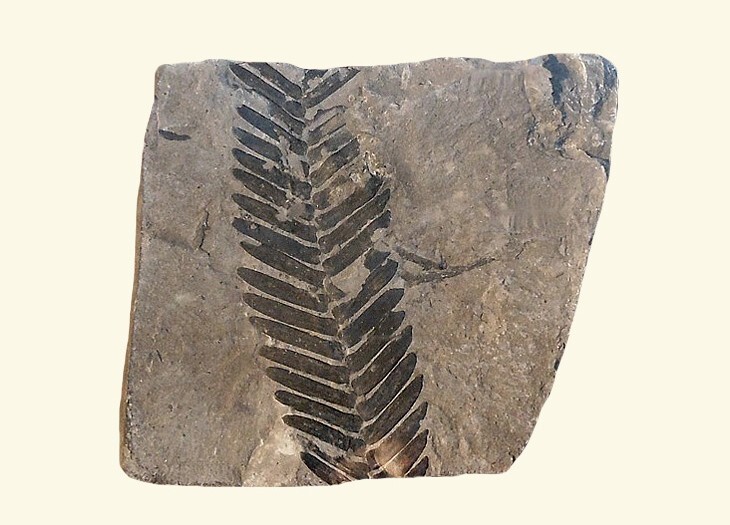
Cycads are seed plants with a very long fossil history that were formerly more abundant and more diverse than they are today. They typically have a stout and woody (ligneous) trunk with a crown of large, hard and stiff, evergreen leaves. They usually have pinnate leaves. The individual plants are either all male or all female (dioecious). Cycads vary in size from having trunks only a few centimeters to several meters tall. They typically grow very slowly and live very long, with some specimens known to be as much as 1,000 years old. Because of their superficial resemblance, they are sometimes mistaken for palms or ferns, but they are not closely related to either group. From Wikipedia article at https://en.wikipedia.org/wiki/Cycadopsida, which is released under the Creative Commons Attribution-Share-Alike License 4.0. | |||||||||||||||||||||||||
|---|---|---|---|---|---|---|---|---|---|---|---|---|---|---|---|---|---|---|---|---|---|---|---|---|---|---|
| Source Data |
| |||||||||||||||||||||||||
| Rank | class | |||||||||||||||||||||||||
| Taxonomy (GBIF) | Life : Plantae : Tracheophyta : Cycadopsida | |||||||||||||||||||||||||
| Taxonomy (PBDB) | Life : Plantae : Cycadophyta : Cycadopsida | |||||||||||||||||||||||||
| Taxonomic Status (GBIF) | accepted | |||||||||||||||||||||||||
| Classification (PBDB,GBIF) |
| |||||||||||||||||||||||||
| Common Name | cycads | |||||||||||||||||||||||||
| Scientific Name | Cycadopsida | |||||||||||||||||||||||||
| Opinions (PBDB) |
| |||||||||||||||||||||||||
| Status (PBDB) | extant | |||||||||||||||||||||||||
| Taxon Size (PBDB) | 154 | |||||||||||||||||||||||||
| Extant Size (PBDB) | 18 (12%) | |||||||||||||||||||||||||
| First Recorded Appearance | 290 - 279 Ma Permian | |||||||||||||||||||||||||
| Primary Reference (PBDB) | D.J. Mabberley. 2000. The Plant-Book, 2nd ed. Cambridge University Press, Cambridge, UK, 858 p. | |||||||||||||||||||||||||
| Common Name(s) | Cycads | |||||||||||||||||||||||||
| Wikipedia | https://en.wikipedia.org/wiki/Cycadopsida |
Fossil Distribution
Subtaxa
| Name | Status | Common Name(s) | Fossil Occurrences | Oldest | Youngest |
|---|---|---|---|---|---|
| Cycadales order | accepted (GBIF) listed (PBDB) | 1,570 | 290 Ma Permian | 0 Ma Extant | |
| Dioales order | listed (PBDB) | 1 | 56.0 Ma Paleocene | 0 Ma Extant | |
| Gnetales order | accepted (GBIF) listed (PBDB) | 583 | 265 Ma Permian | 0 Ma Extant | |
| Lagenostomales ✝ order | listed (PBDB) | ||||
| Trigonocarpales ✝ order | listed (PBDB) | ||||
| Welwitschiales order | accepted (GBIF) listed (PBDB) | 0 Ma Extant | |||
| Boweniaceae family | listed (PBDB) | ||||
| Buteoxylaceae family | accepted (GBIF) | No associated record in PBDB | |||
| Cycadeoideaceae family | accepted (GBIF) | No associated record in PBDB | |||
| Nilssoniaceae family | accepted (GBIF) | No associated record in PBDB | |||
| Stangeriaceae family | listed (PBDB) | ||||
| Sturianthaceae family | accepted (GBIF) | No associated record in PBDB | |||
| Taeniopteridaceae family | accepted (GBIF) | No associated record in PBDB | |||
| Westersheimiaceae family | accepted (GBIF) | No associated record in PBDB | |||
| Williamsoniaceae family | accepted (GBIF) | No associated record in PBDB | |||
| Williamsoniellaceae family | accepted (GBIF) | No associated record in PBDB | |||
| Anomozamites genus | accepted (GBIF) | No associated record in PBDB | |||
| Dictyozamites genus | accepted (GBIF) | No associated record in PBDB | |||
| Nageiopsis genus | accepted (GBIF) | No associated record in PBDB | |||
 Nilssoniopteris ✝ Nilssoniopteris ✝genus | accepted (GBIF) listed (PBDB) | 128 | 242 Ma Middle Triassic | 152 Ma Late Jurassic | |
| Otozamites ✝ genus | accepted (GBIF) listed (PBDB) | 386 | 252 Ma Permian | 122 Ma Early/Lower Cretaceous | |
| Palaeanthus genus | accepted (GBIF) | No associated record in PBDB | |||
 Pterophyllum ✝ Pterophyllum ✝genus | accepted (GBIF) listed (PBDB) | 766 | 304 Ma Carboniferous | 105 Ma Early/Lower Cretaceous | |
| Sahnioxylon genus | accepted (GBIF) | No associated record in PBDB | |||
| Sphenolepis genus | accepted (GBIF) | No associated record in PBDB | |||
| Tysonia genus | accepted (GBIF) | No associated record in PBDB | |||
Synonymy List
| Year | Name and Author |
|---|---|
| 1843 | Cycadopsida Brongniart pp. xxxii, 136 |
| 1984 | Cycadopsida Meyen p. 89 |
| 1985 | Cycadopsida Lapasha and Miller |
| 2000 | Cycadopsida Mabberley |
| 2001 | Cycadopsida Doweld p. iii |
References
Data courtesy of: PBDB: The Paleobiology Database, Creative Commons CC-BY licenced. , GBIF: the Global Biodiversity Information Facility, various licences, iDigBio, various licences, and EOL: The Encyclopedia of Life (Open Data Public Domain). Because fossils are made of minerals too!
Cape Mondego, Buarcos e São Julião, Figueira da Foz, Coimbra, Portugal